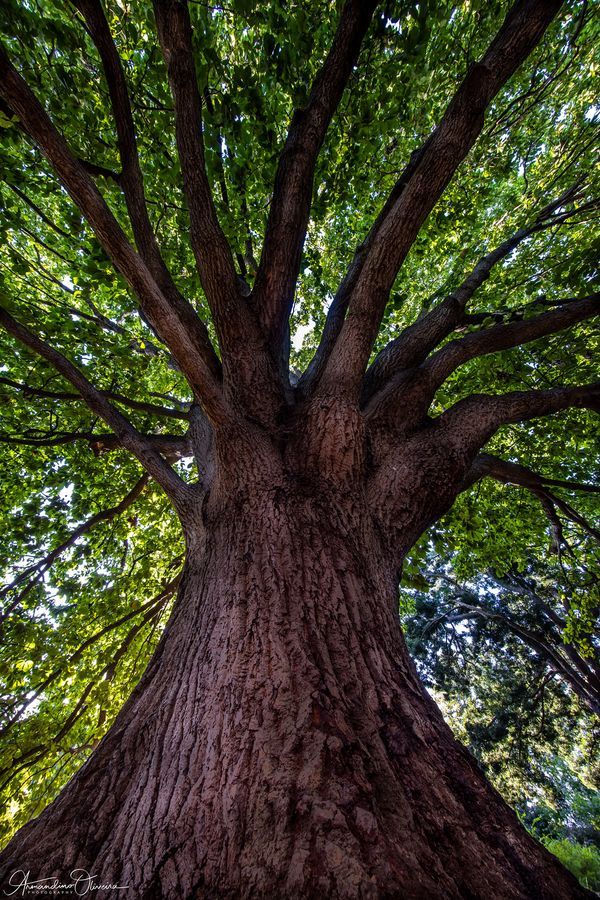
Algerian oaks
The Algerian oak (Quercus canariensis) is a deciduous or semi-evergreen oak species native to the western Mediterranean region, including Algeria, Morocco, and parts of southern Spain and Tunisia. Here are the key details about the tree:
1. Appearance
Height: Algerian oaks can grow up to 20–30 meters (65–98 feet) in height.
Trunk: The tree develops a thick trunk with rough, dark grey or brown bark.
Leaves: The leaves are oblong, leathery, and lobed, with a shiny dark green top and paler underside. They are typically 6–15 cm long and may stay on the tree for extended periods (semi-evergreen) in milder climates.
Acorns: Like all oaks, the Algerian oak produces acorns, which serve as food for various animals and help with seed dispersal.
2. Habitat
Climate: It thrives in the Mediterranean climate, where summers are hot and dry, and winters are mild to cool. It grows best in regions that have some rainfall in the summer months.
Soil: The tree prefers deep, moist, well-drained soils and can tolerate a variety of soil types, but it thrives best in rich, fertile soil.
Drought Tolerance: While it prefers moist soils, it can tolerate periods of drought once established, although extended dry conditions may stress the tree.
3. Ecological Role
Forests: Algerian oaks are often found in mixed forests alongside other tree species like cork oaks (Quercus suber) and maritime pines (Pinus pinaster). In Algeria, they contribute to biodiversity and help maintain the Mediterranean forest ecosystems.
Wildlife: The acorns provide food for birds, small mammals, and other wildlife. The dense foliage also offers shelter to various animals.
4. Conservation Status
The species is not currently listed as endangered but faces threats from habitat loss due to deforestation, overgrazing, and land conversion for agriculture or urban development. In some areas, forest degradation and lack of regeneration pose long-term conservation concerns.
5. Uses
Timber: The wood of the Algerian oak is hard and durable, often used for furniture, construction, and firewood.
Ornamental: Due to its majestic appearance, the Algerian oak is sometimes planted in parks and large gardens as an ornamental tree.
Reforestation: It can be used in reforestation projects to restore Mediterranean ecosystems, providing erosion control and helping to improve soil fertility.
6. Growth and Care
Growth Rate: The Algerian oak has a moderate growth rate and can live for several hundred years if provided with the right conditions.
Watering: During the first few years after planting, it should be watered regularly to establish a strong root system. Afterward, it can tolerate some drought.
Pruning: The tree generally requires little pruning, except for removing dead or damaged branches.
Given its adaptability to the Mediterranean climate, the Algerian oak could be an excellent addition to reforestation projects in your region, especially for improving biodiversity and soil quality.